![[image: file]](https://www.fijivillage.com/news_images/171493548761b0069f7d0fbbe50ed1.jpg)
Fiji’s economic growth is expected to rebound by 11.3% in 2022, following a re-estimated 15.2% contraction in 2020 and a 4.1% decline in 2021.
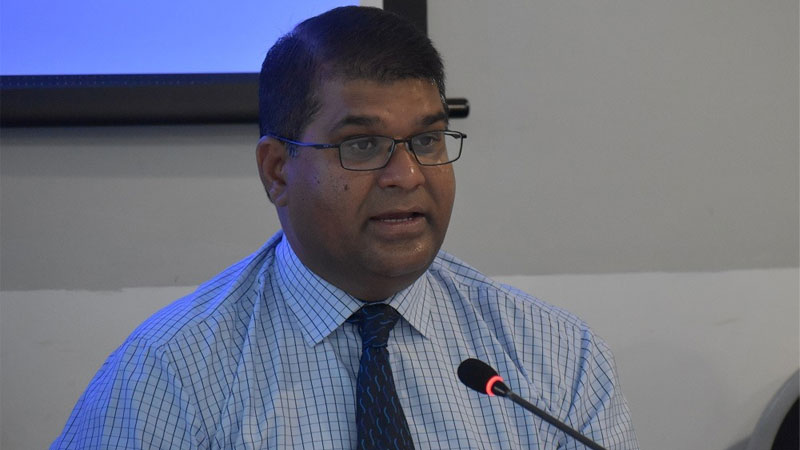
The Reserve Bank of Fiji Governor and Chair of the Macroeconomic Committee, Ariff Ali says the recovery in 2022 will be primarily supported by the recommencement of international tourism and its positive spill-over effects on other sectors of the economy.
The main sectors contributing to the expected rebound are accommodation and food services; transport and storage; finance and insurance; wholesale and retail trade; manufacturing and agriculture.
Ali says the broad-based economic recovery is envisaged to continue into 2023 and 2024, with the economy forecast to expand by 8.5% and 7.7%, respectively.
This compares with the earlier forecast in July this year, where the Fijian economy was anticipated to rebound by 6.2% in 2022 and 8.0% in 2023.
Ali says the higher revised GDP growth forecast for 2022 is based on forward bookings and consultation with the tourism industry and the national airline.
He says it accounts for the earlier reopening of borders as of December this year, with visitor arrivals expected to reach 50% of 2019 levels against the earlier assumption of borders reopening in mid-2022 with only 30% of 2019 arrivals.
The RBF Governor says visitor arrivals are forecast to rise further to 85% of 2019 levels in 2023 and return to pre-pandemic levels by 2024.
The upward revision in the visitor arrivals forecast has had a positive knock-on-effect on wholesale and retail sales, accommodation and the transport sectors, as well as general investor sentiments.
Other sectoral improvements include the upturn in manufacturing, particularly sugar and mineral water production, the resumption of construction and real estate activities, along with higher electricity consumption and increased uptake in service-oriented businesses in the financial, professional and information technology sectors.
Ali says tax collection is expected to grow in line with the recovery in the domestic economy.
The Macroeconomic Committee is made up of Heads and senior representatives from the Ministry of Economy; Fiji Bureau of Statistics; Ministry of Commerce, Trade, Tourism and Transport; Office of the Prime Minister; Investment Fiji; Fiji Revenue and Customs Service and the Reserve Bank of Fiji.