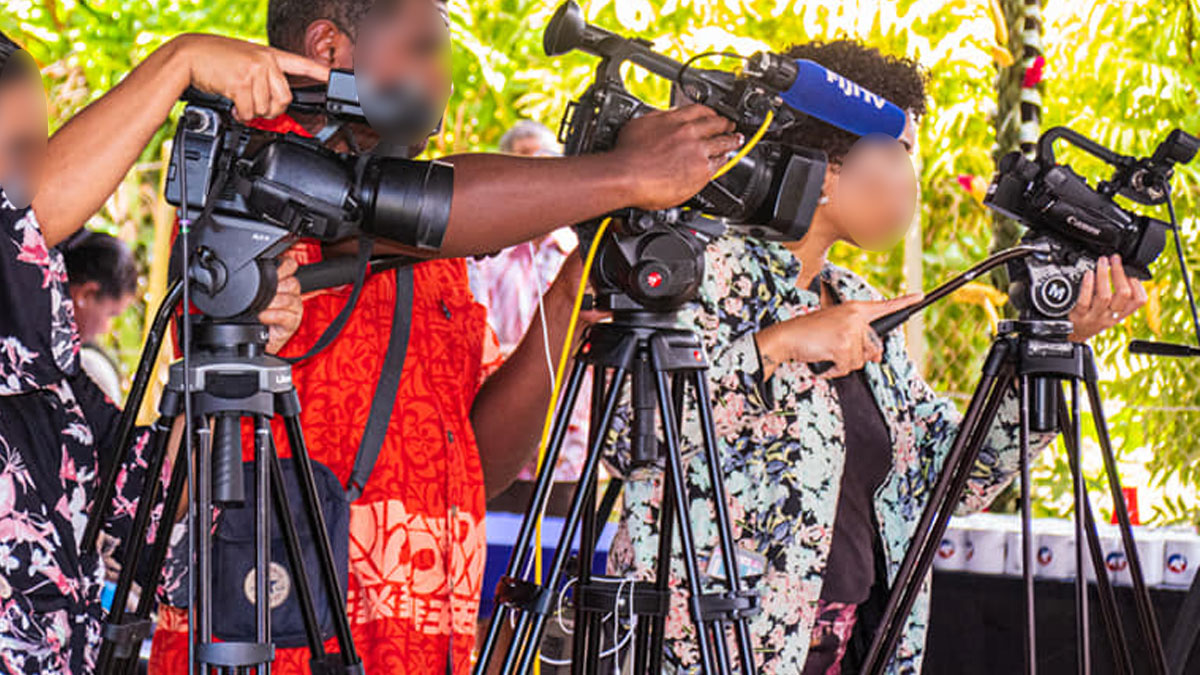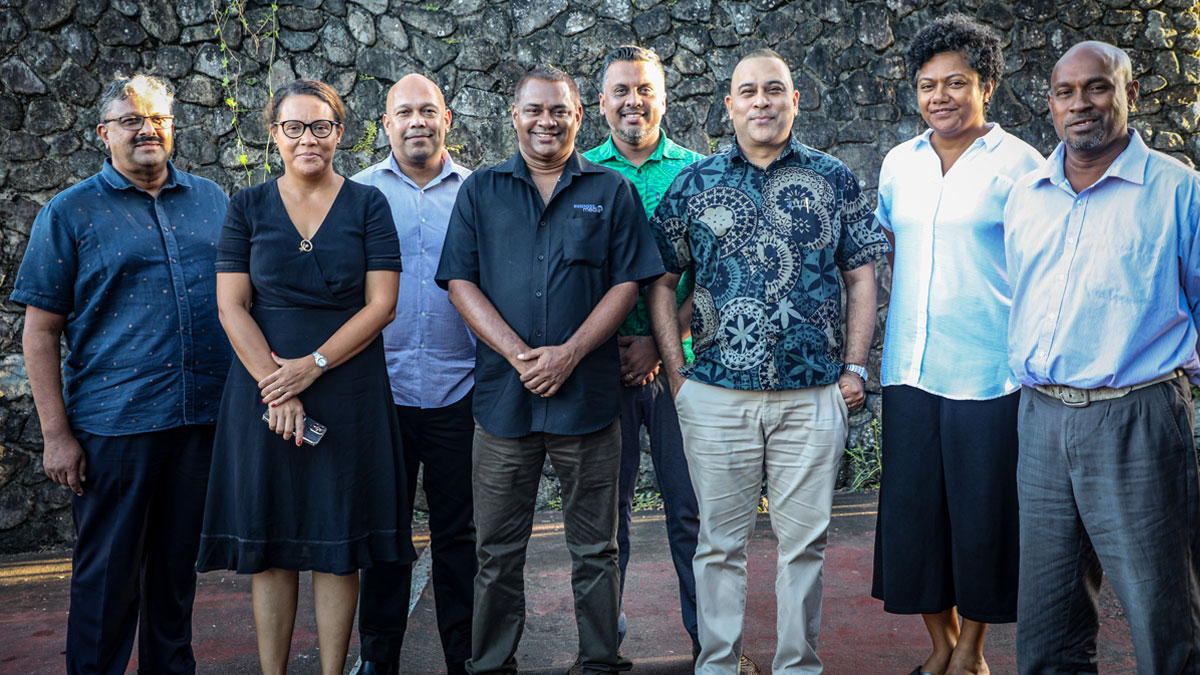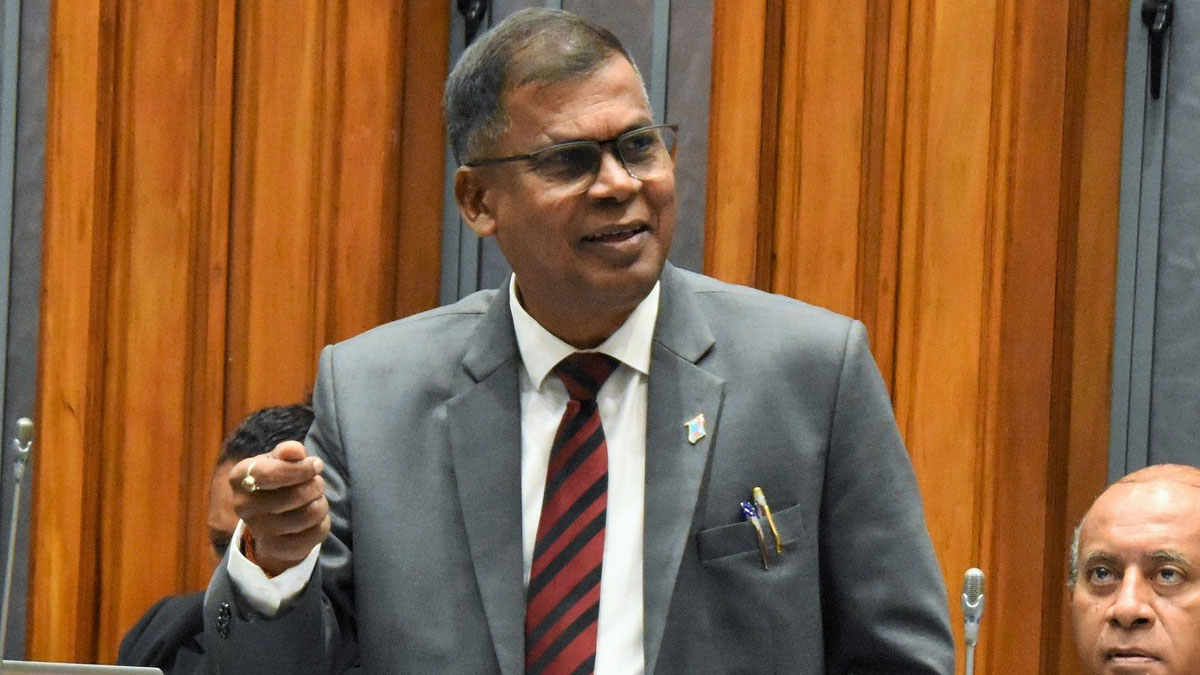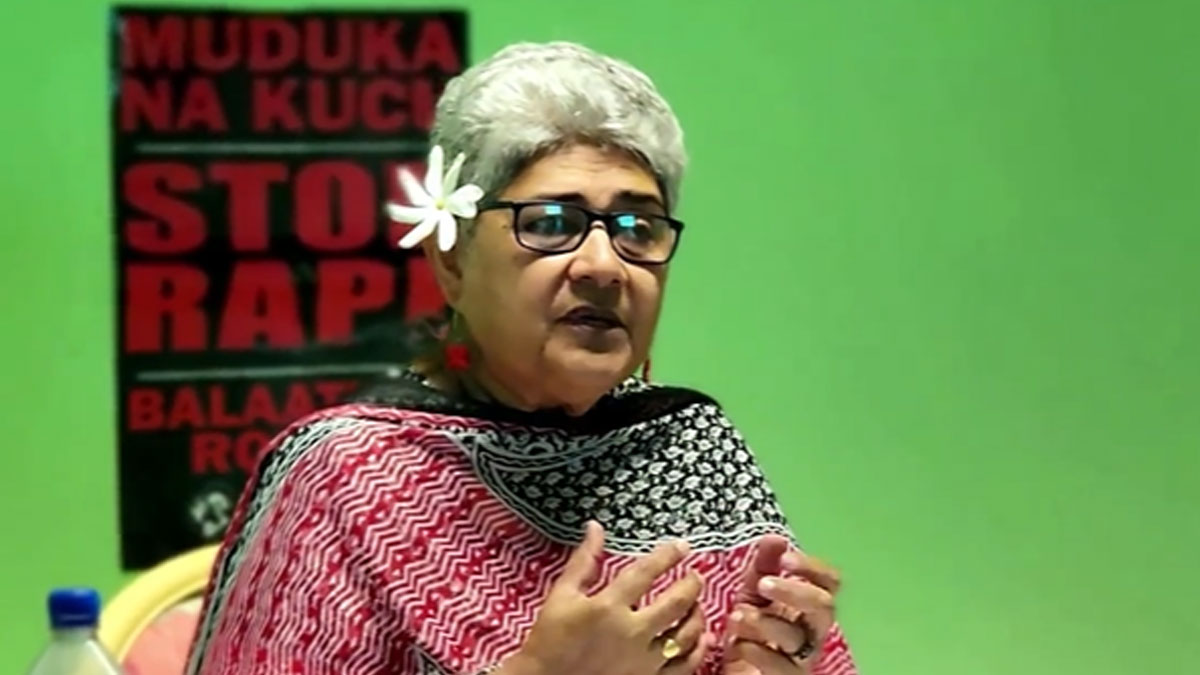
There was heated debate in parliament on the repealing of the Media Industry Development Act as government highlighted that the draconian law was brought in without proper consultation and it impedes on democracy while the Opposition says that the rights of people are not protected if the Media Act is repealed.
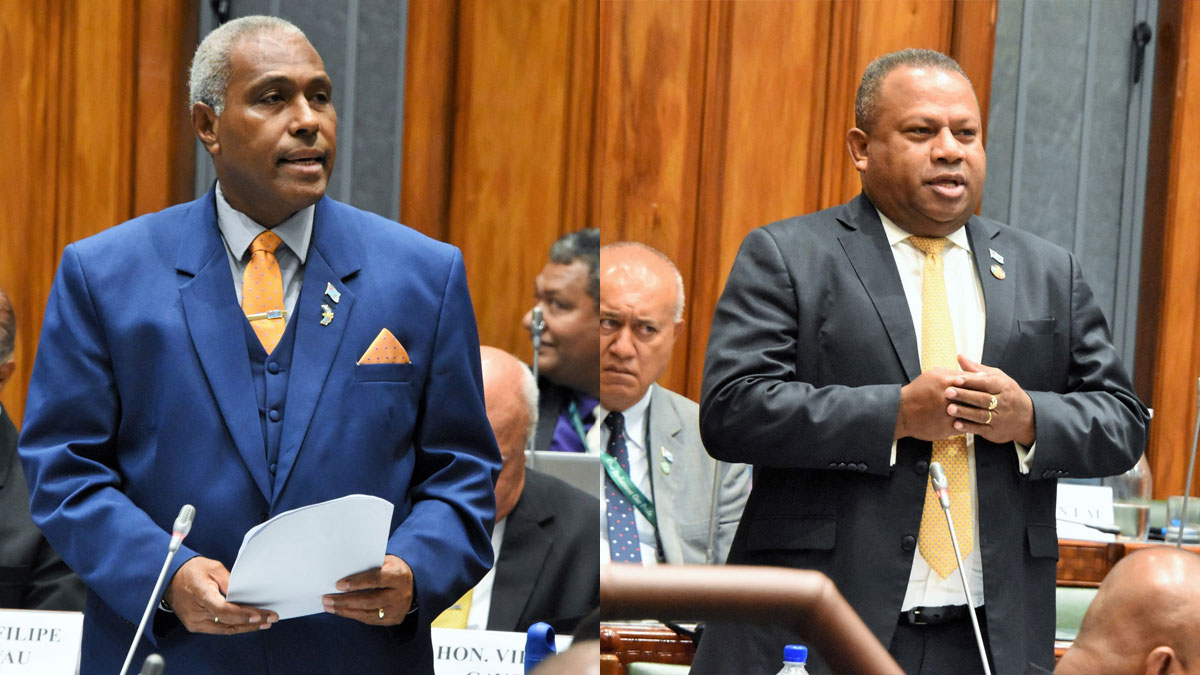
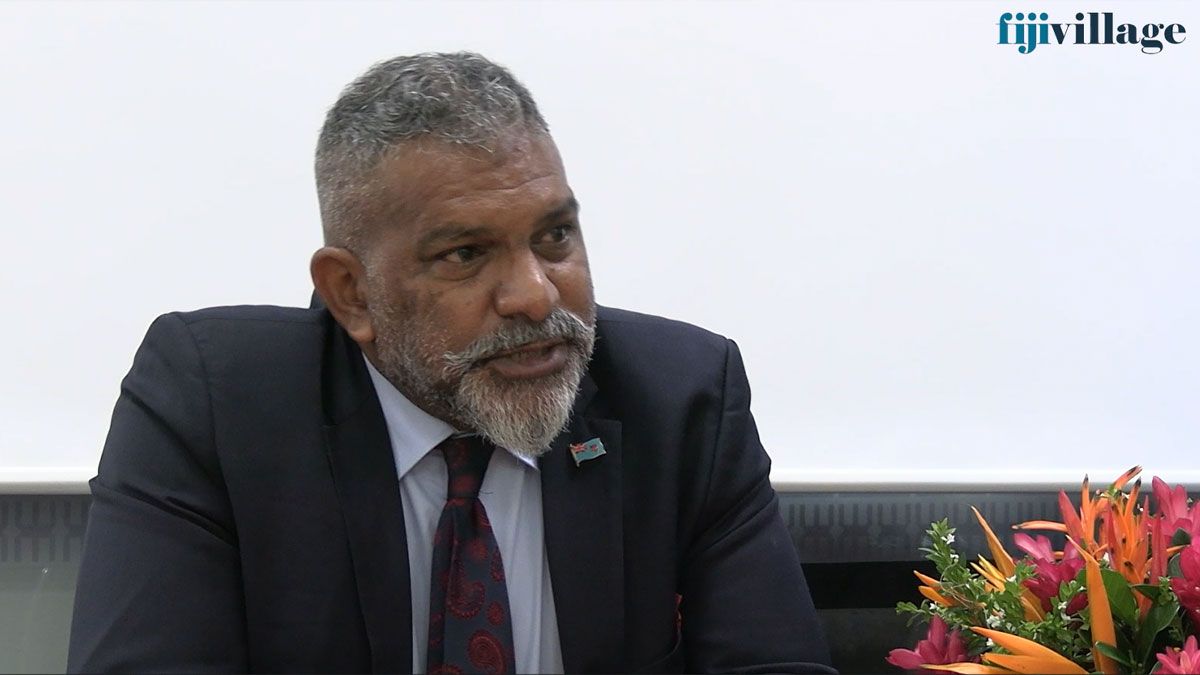
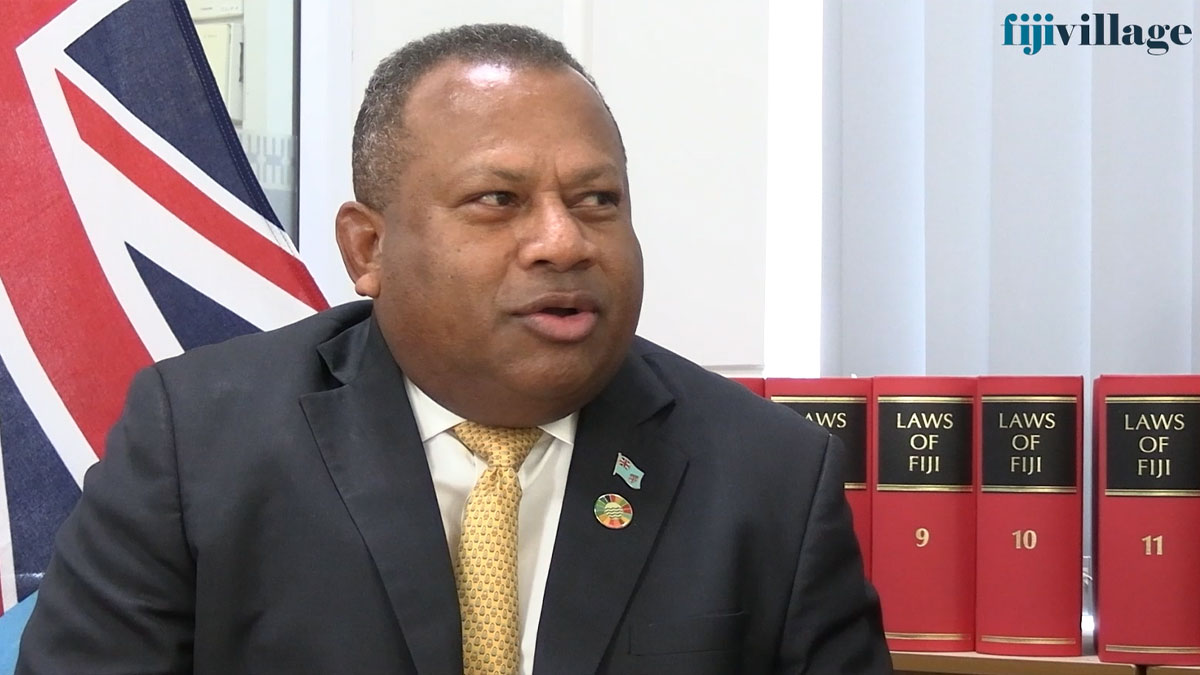
Deputy Prime Minister and Minister for Communications Manoa Kamikamica says this is a new day in Fiji because they are going to repeal two Acts in Parliament that has no place in a democracy.
Kamikamica says 91 percent of the Acts that went through the previous Parliament were under Parliamentary Standing Orders 51 and its a shame.
He urges the Opposition who are opposing the repeal of the Act to listen to what the public has been saying.
An emotional Kamikamica also quoted in Parliament a letter from the Fijian Media Association that says the MIDA Act is the worst thing to have happened to freedom of the media in Fiji.
He continued to say the origins of the MIDA Act began after the 2006 coup that brought a reign of terror, violence, intimidation, censorship, and fear to the country's media industry and journalists were beaten, detained, and threatened, their media businesses burned, offices trashed, and houses firebombed.
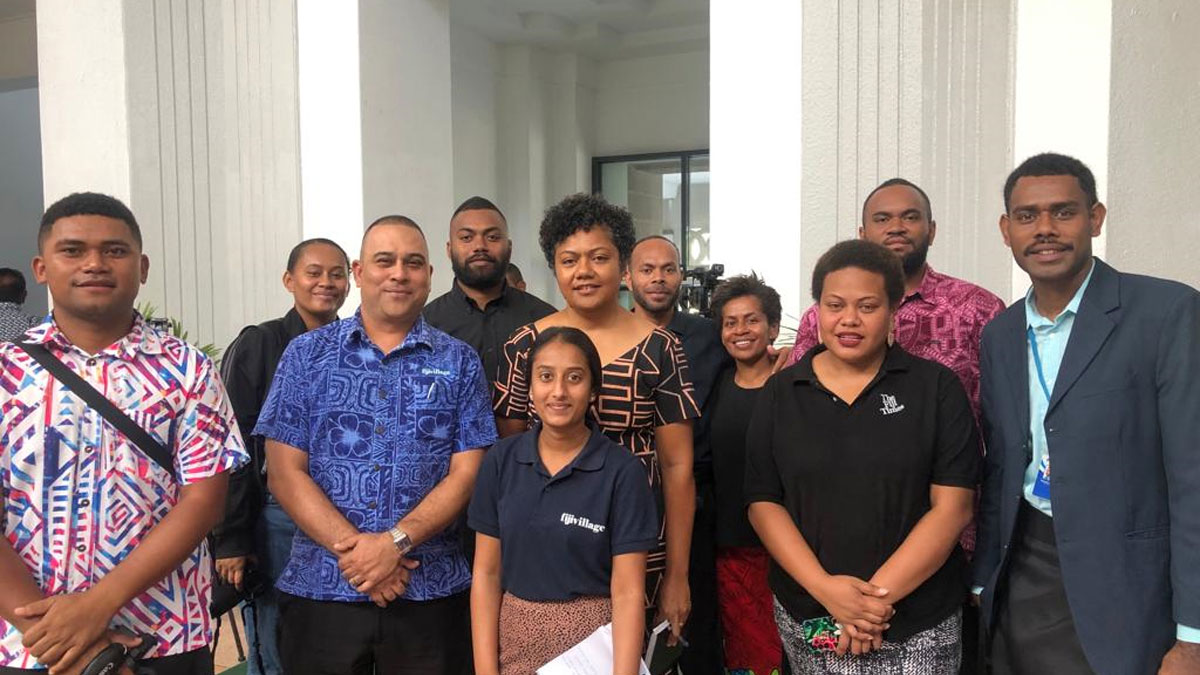
Kamikamica says media workers that were attacked in some way included Pita Ligaiula, Dionisia Turagabeci, Anish Chand, Merana Kitione, Leone Cabenatabua, Maika Bolatiki, Netani Rika, Sophie Foster, Imraz Iqbal, Samisoni Pareti, Apisalome Coka, Maikeli Radua, the late Sitiveni Moce…among many others.
He adds Government advertising was taken away from media organisations the government did not like and senior journalists and editors were forced out of their jobs.
He further says a public emergency regulation in 2009 enforced unprecedented and dictatorial censorship, and government officers entered newsrooms to force journalists to only report what the government wanted.
The Deputy Prime Minister says the censorship then morphed into the 2010 Media decree and then the MIDA Act which has caused uncertainty, stress, mental anguish, and threatened the survival and livelihoods of many media businesses.
He adds some of Fiji's best journalists left the industry as a result and the media still carry the mental scars today from that very disturbing period.
Kamikamica says neither the previous government nor a single member of the public has ever used the MIDA Tribunal to complain about the media, and there has been no media development under MIDA and it was a useless, but dangerous and vindictive piece of legislation for the industry.
The Minister says the repeal of the MIDA Act has long been a unifying demand of all media organizations in Fiji and no government, including this Peoples Coalition government should ever be given such power over the media.
He adds we need to return to the media freedom Fiji enjoyed and was renowned for prior to 2006 and the MIDA experiment is over and the draconian legislation now belongs in the dustbins of history.
/+AUDIO-1551038704642e1a209734dbc11866.mp3+AUDIO/
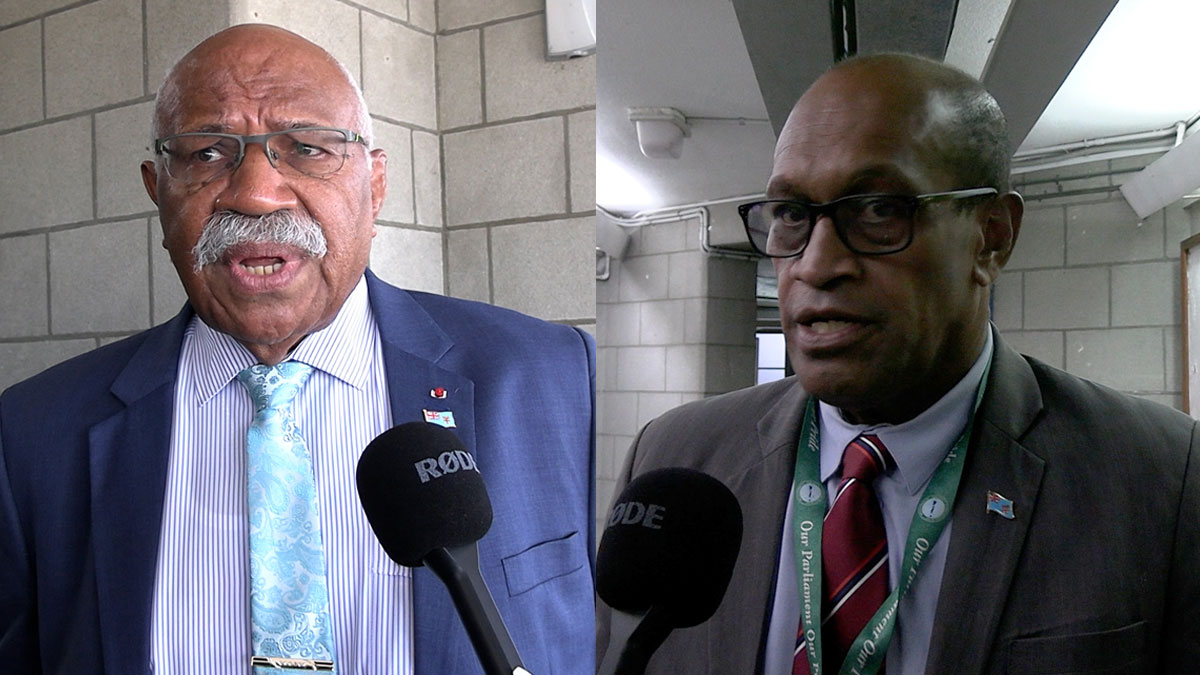
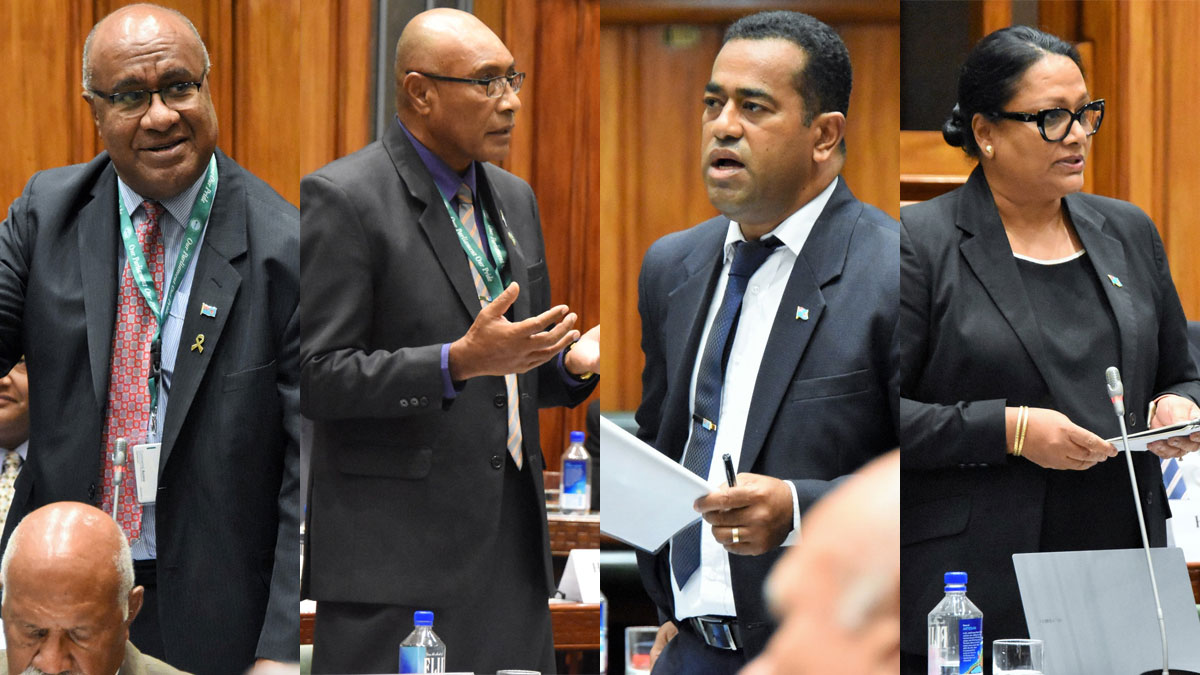
FijiFirst MP Viliame Naupoto says the media is not any other business because the media has the ability to influence the public and too much influence from the media damages democracy.
While opposing the motion to repeal the Media Act, Naupoto says when we put some regulation on the media, we balance the freedom of expression against vilification.
/+AUDIO-658691389642e1a2bbfd3248589901.mp3+AUDIO/
Minister for Lands and Mineral Resources Filimoni Vosarogo says the Media Act did not advance media freedom; it curtailed it and it did not let them publish anything that is against national interest.
Vosarogo says publishing of offensive material is not only covered under the Media Act but it is also covered under the Crimes Act so there are alternatives that authorities are able to act on and to protect the vulnerable, particularly the children.
The Minister says with their own watchdog at the helm of the Media Industry Development Authority, he did nothing to develop the industry and kept all the media outlets in check to not insult the government of the day in anything that they print or say.
Vosarogo says the return of the fourth estate will ensure that government is kept in check in its role and to obverse the separation of power, its doctrines and its intents.
He says since December 2006, media freedom in Fiji has taken downward turn towards darkness and oblivion and the government began favouring the Fiji Sun and FBC in government jobs, senior journalists were forced out of their jobs and media houses began publishing very lightly on things that matters which may in fact tarnish the governments image.
He says today they return Fiji to the light, freedom of the media kind of light.
/+AUDIO-1129524374642e1a3aef3fb87f3723.mp3+AUDIO/
Opposition MP Premila Kumar claimed the media all over the world always pushes the boundaries of unethical conduct to get views and sales, and to remove the Act is to leave the media unregulated and thus remove protection of vulnerable Fijians from being featured on media with often misleading and fake content.
She says the Media Act which has now been repealed provides the regulatory framework for the media industry to ensure that such services in Fiji are maintained and a high standard that ultimately serve consumers who are the ultimate end users of the media industry.
Kumar adds absolute media freedoms in any jurisdiction is rare and even impossible and often there is compromise between absolute media freedom and absolute control by the government.
She says in the past there was a self regulated Fiji Media Council made up of media representatives to handle complaints and hold the media accountable and claimed the Council was not independent.
The Media Act is repealed.