The Fiji NGO Coalition On Human Rights is now making a desperate call to the Fijian government, and other Pacific Islands to call for international action to stop Japan’s planned dumping of the Fukushima nuclear wastewater – which is expected to start as early as this Thursday.
fijivillage News has received confirmation that the NGO Coalition has received a permit to have a protest march on Friday against the planned dumping.
The march will be held from the Suva Flea Market to Albert Park at 10am. This will be followed by a people’s rally at Albert Park.
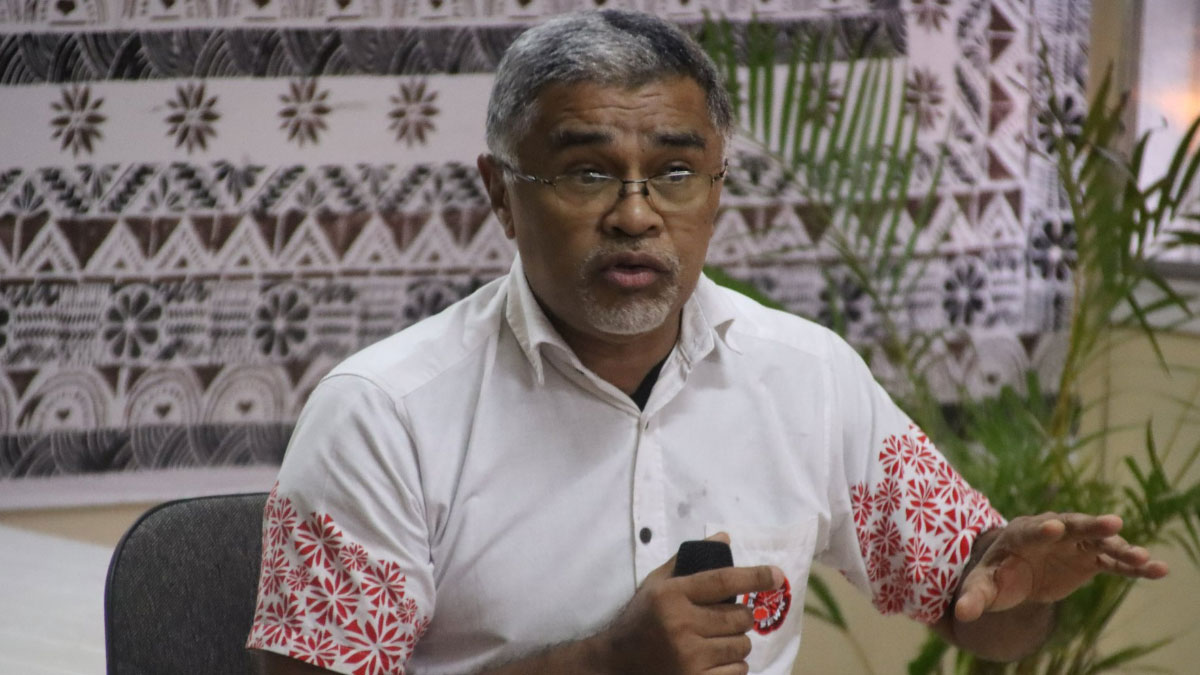
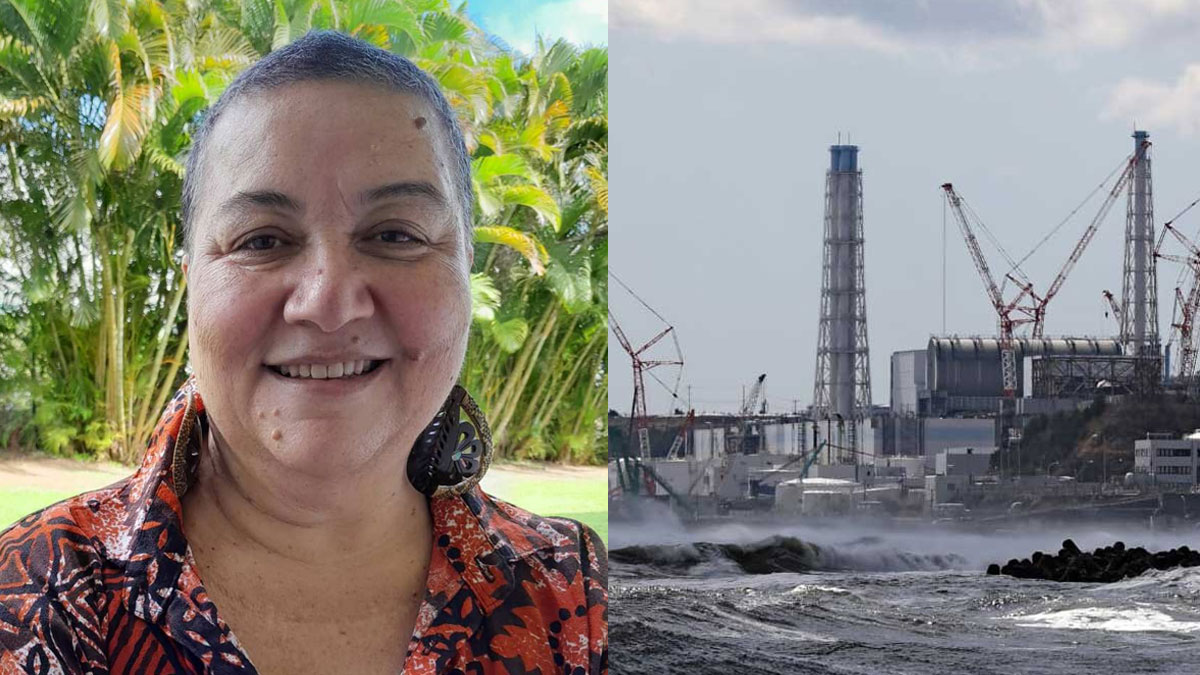
DIVA For Equality Founder co-organiser, Noelene Nabulivou says the Pacific Conference of Churches, youth led organisations like Alliance for Future Generations, Fiji Women’s Rights Movement, DIVA For Equality and Soqosoqo Vakamarama amongst others will be part of the solidarity people’s rally for the health of the Pacific Ocean.
Nabulivou says it is clear there is widespread support for a stronger stance from our Pacific leaders.
/+AUDIO-195699617164e44b92eb40ecac76f0.mp3+AUDIO/
She also says this is something that does not only concern this generation but countless generations after us, and they are also concerned that the dumping is now being rushed by Japan.
Just as the Fijian authorities issue the permit for the protest march and rally, reuters reports that Japan will start releasing more than 1 million metric tonnes of treated radioactive water from the wrecked Fukushima nuclear power plant this Thursday, putting into motion a plan that has drawn strong criticism from China.
The plan, approved two years ago by the Japanese government as crucial to decommissioning the plant operated by Tokyo Electric Power Company (Tepco), has also faced criticism from local fishing groups, who fear reputational damage and a threat to their livelihood.
Japanese Prime Minister, Fumio Kishida said today that he has asked Tepco to swiftly prepare for the water discharge in accordance with the plan approved by the Nuclear Regulation Authority, and expect the water release to start on August 24th, weather conditions permitting.
The announcement comes a day after the Japanese government said it had won "a degree of understanding" from the fishing industry over the release of the water, even as a fishing group said it still feared the reputational damage would ruin livelihoods.
Kishida said he promises that they will take on the entire responsibility of ensuring the fishing industry can continue to make their living, even if that will take decades.
Japan has said that the water release is safe.
The International Atomic Energy Agency (IAEA), the U.N. nuclear watchdog, greenlighted the plan in July, saying that it met international standards and that the impact it would have on people and the environment was "negligible".
Some neighbouring countries have expressed scepticism over the safety of the plan, with Beijing emerging as the biggest critic.
Foreign ministry spokesman Wang Wenbin said in July that Japan had shown selfishness and arrogance, and had not fully consulted the international community about the water release.
China has banned seafood imports from 10 prefectures in Japan, including Fukushima and the capital, Tokyo.
Seafood imports from other prefectures are allowed but must pass radioactivity tests and have proof they were produced outside the 10 banned prefectures.
South Korean activists have also protested the plan, although Seoul has concluded from its own study that the water release meets international standards and said it respects the IAEA's assessment.
Pacific Island nations have been split over the matter, given their own history of being nuclear testing sites for the United States and France.
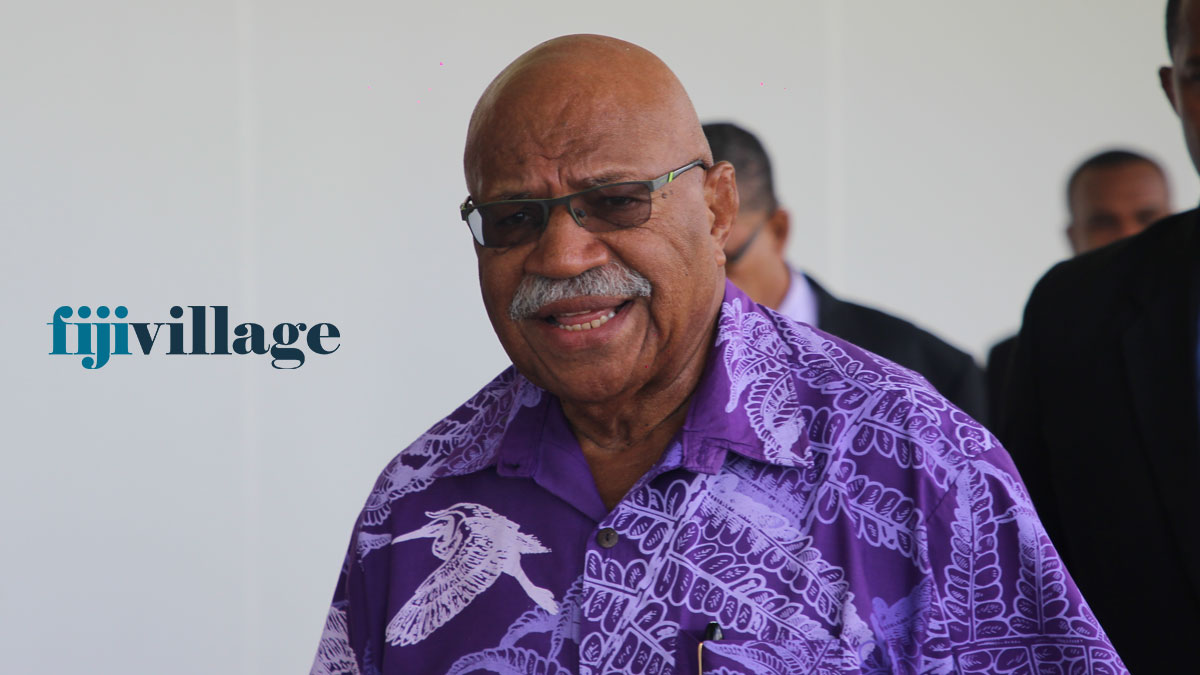
Prime Minister, Sitiveni Rabuka, has said that he backed the IAEA report, but acknowledged that the issue is controversial in the Pacific Islands.
Kishida says he believes an "accurate understanding" of the matter was spreading in the international community.
Japan says the water will be filtered to remove most radioactive elements except for tritium, an isotope of hydrogen that is difficult to separate from water.
It says the treated water will be diluted to well below internationally approved levels of tritium before being released into the Pacific.
The water was used to cool the fuel rods of Fukushima Daiichi after it melted down in an accident caused by a huge tsunami in 2011 that battered Japan's eastern coast.
A Japanese official said the first test results of the seawater after the discharge may be available at the start of September.
Japan will also test fish in the waters near the plant, and make the test results available on the Agriculture Ministry's website.