![[Image: Hakai Magazine]](https://www.fijivillage.com/news_images/112258928664e6e5880d521a22b26e.jpg)
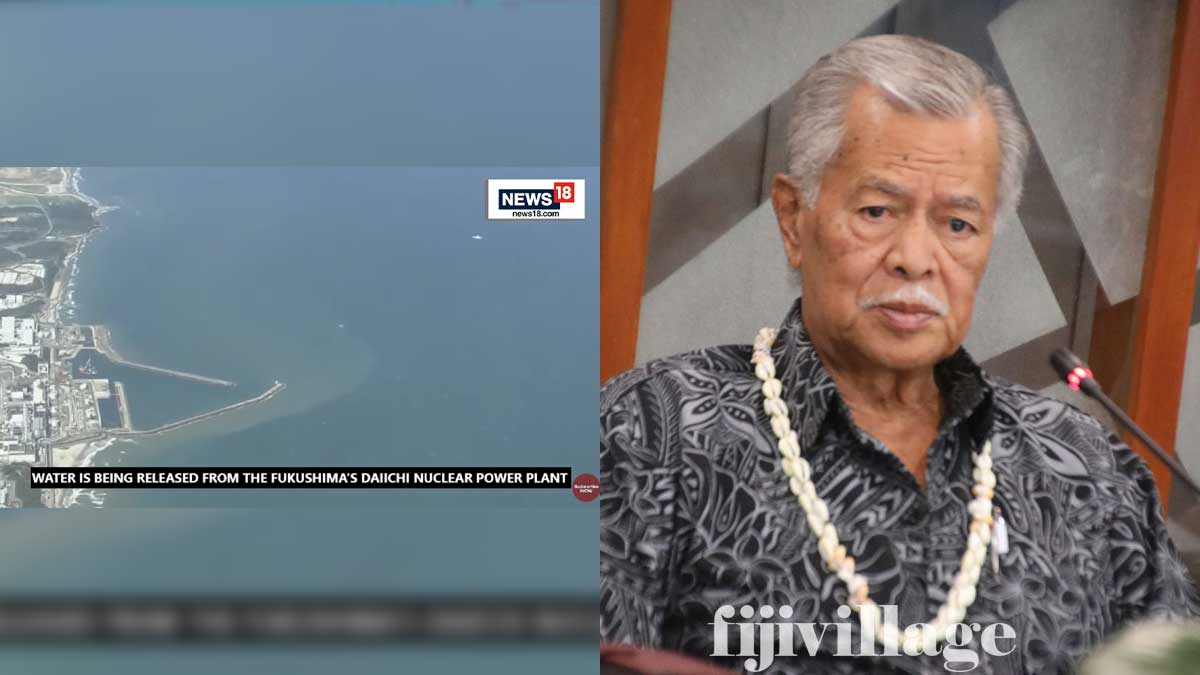
Greenpeace Japan has criticised the Japanese government’s decision to discharge radioactive water from the Fukushima Daiichi nuclear station into the Pacific Ocean.
It says the decision disregards scientific evidence, violates the human rights of communities in Japan and the Pacific region, and is non-compliant with international maritime law.
Greenpeace says more importantly it ignores its people’s concerns, including fishermen.
The organisation says the Japanese government and Tokyo Electric Power Company (TEPCO) – the nuclear power plants’ operators – falsely assert that there is no alternative to the decision to discharge and that it is necessary to move towards final decommissioning.
It says this further highlights the failure of the decommissioning plan for the nuclear plants destroyed in the 2011 earthquake, stating that tens of thousands of tons of contaminated water will continue to increase with no effective solution.
Greenpeace Japan also says they are deeply disappointed and outraged by the Japanese Government’s announcement to release water containing radioactive substances into the ocean. Project Manager at Greenpeace Japan, Hisayo Takada says despite concerns raised by fishermen, citizens, Fukushima residents, and the international community, especially in the Pacific region and neighbouring countries, this decision has been made.
It says the increasing volumes of and the pending release of the radioactive water demonstrate the failure of the decommissioning plan for the Fukushima Daiichi.
Takada says as of 8th June 2023, there were 1.3 million cubic metres of radioactive wastewater stored in tanks, but due to the failure of the ALPS (Advanced Liquid Processing System) processing technology, approximately 70 percent of this water will have to be processed again.
He says scientists have warned that the radiological risks from the discharges have not been fully assessed, and the biological impacts of tritium, carbon-14, strontium-90 and iodine-129, which will be released in the discharges, have been ignored.
Greenpeace Japan adds the International Atomic Energy Agency (IAEA) endorsed Japan’s plans for discharge, however, the IAEA has failed to investigate the operation of the ALPS, and has completely ignored the highly radioactive fuel debris that melted down which continues every day to contaminate ground water – nearly 1000 cubic metres every ten days.
It says furthermore, the discharge plan has failed to conduct a comprehensive Environmental Impact Assessment, as required by its international legal obligations, given that there is a risk of significant transboundary harm to neighbouring countries.
Greenpeace Japan says the IAEA is not tasked with protecting the global marine environment but it should not encourage a state to violate it.
Member states at the United Nations Human Rights Council in Geneva, as well as UN Special Rapporteurs, have opposed and criticized Japan’s discharge plans.
Greenpeace says Japan’s discharge plans also disregard the groundbreaking Human Rights Council resolution, which in 2021 determined that it is a human right to have a clean, healthy and sustainable environment.
Furthermore, Greenpeace says Japan has failed to comply with its legal obligations under the United Nations Convention for the Law of the Sea, to protect the marine environment including its legal requirement to conduct a comprehensive Environmental Impact Assessment into the discharges into the Pacific Ocean, given the risk of significant transboundary harm to neighbouring countries.
Greenpeace says this is an outrage that violates the human rights of the people and communities of Fukushima, and other neighbouring prefectures and the wider Asia-Pacific region.
The water will be released at a maximum rate of 500,000 litres a day. A Japanese official said the first results of tests on discharged seawater could be available at the start of next month.
Japan will also test fish in the waters near the plant, and make the results available on the agriculture ministry’s website.
Suva Fish Market Association not happy with the dumping of nuclear wastewater into the Pacific Ocean
Rabuka needs to be advised not to agree with statement that the wastewater is safe - Maraiwai
By: Iliana Biutu
Thursday 24/08/2023
The Suva Fish Market Association has come out strongly today and stated that it does not agree with the dumping of the treated Fukushima nuclear wastewater into the Pacific Ocean, and they are also concerned that Prime Minister, Sitiveni Rabuka is saying that the discharged water is safe.
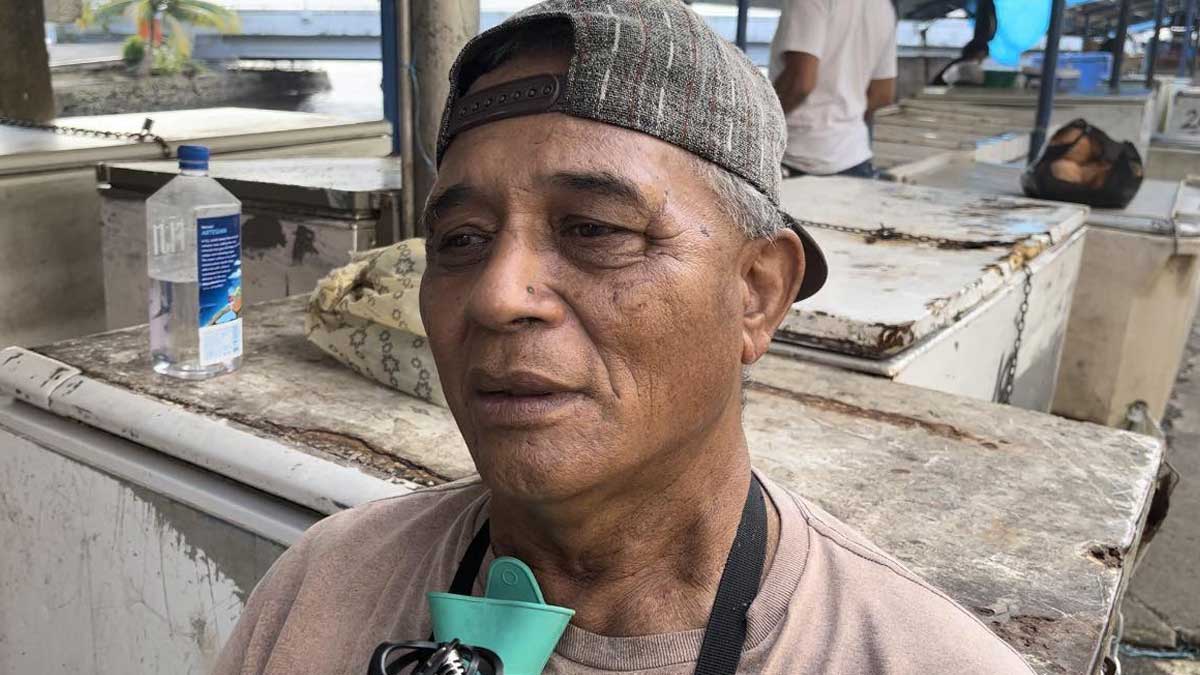
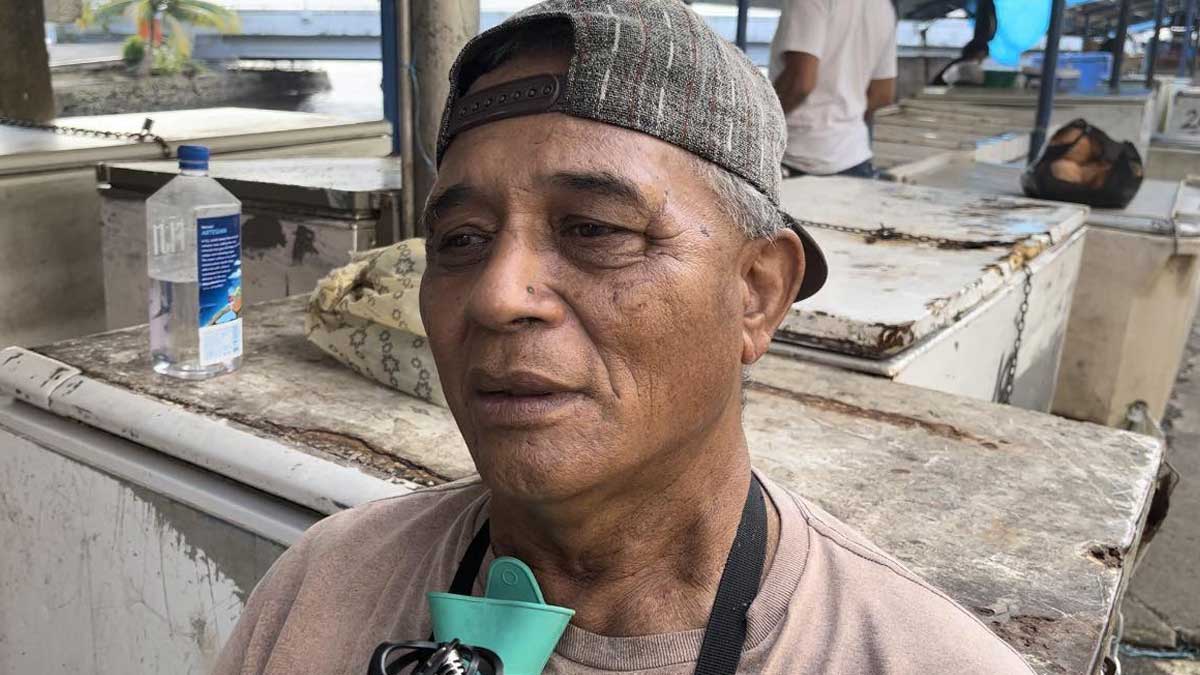
President of the Association, Samu Maraiwai says the 1.3 million tonnes of treated nuclear waste to be dumped into the Pacific Ocean poses a risk of massive destruction to our marine ecosystem and our source of livelihood.
Maraiwai says the waste will be toxic to a certain level and it will affect the marine ecosystem including fish, seaweeds, corals and other sources of our livelihoods.
The 68-year-old says it may not affect us now but in the next 40 years, our future generation will be massively affected.
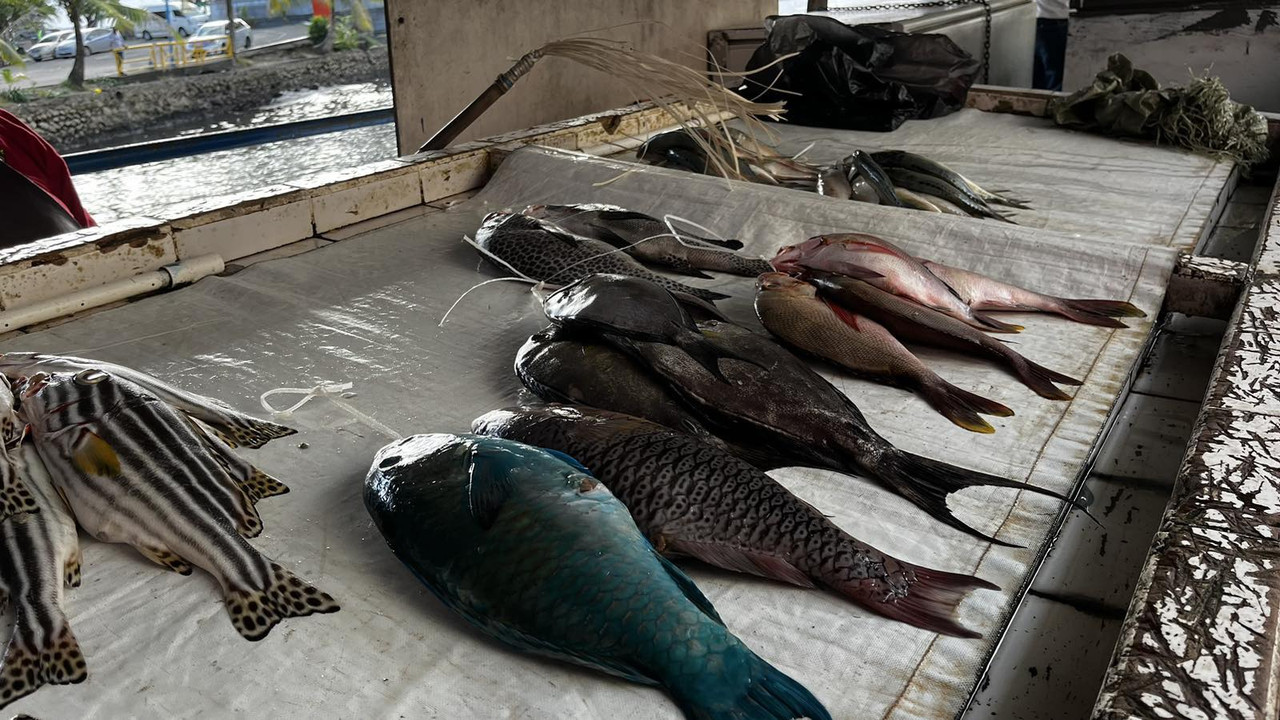
He says Prime Minister Rabuka needs to be advised not to agree with the statement that the nuclear wastewater is safe because it will not only affect Fiji but the whole of the Pacific region.
Many are now raising the question on why Fiji is not making a clear stand that Japan should not be allowed to discharge the treated nuclear wastewater as any effects from nuclear waste cannot be reversed, and may affect many lives in our region.
Meanwhile, the Fiji NGO Coalition protest march starts from the Suva Flea Market at 10am tomorrow, and a people’s rally will also be held at Albert Park after the march tomorrow.