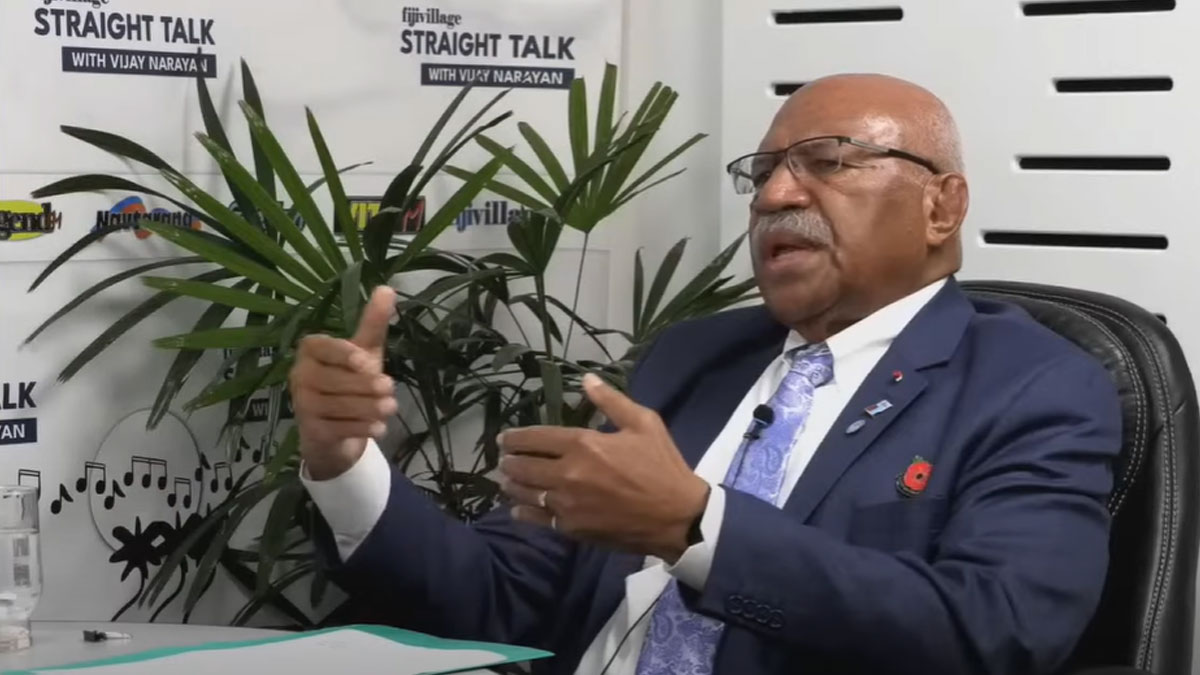
![Prime Minister, Sitiveni Rabuka [Photo: File]](https://www.fijivillage.com/news_images/6433342226541dc512611cd14a64e2.jpg)
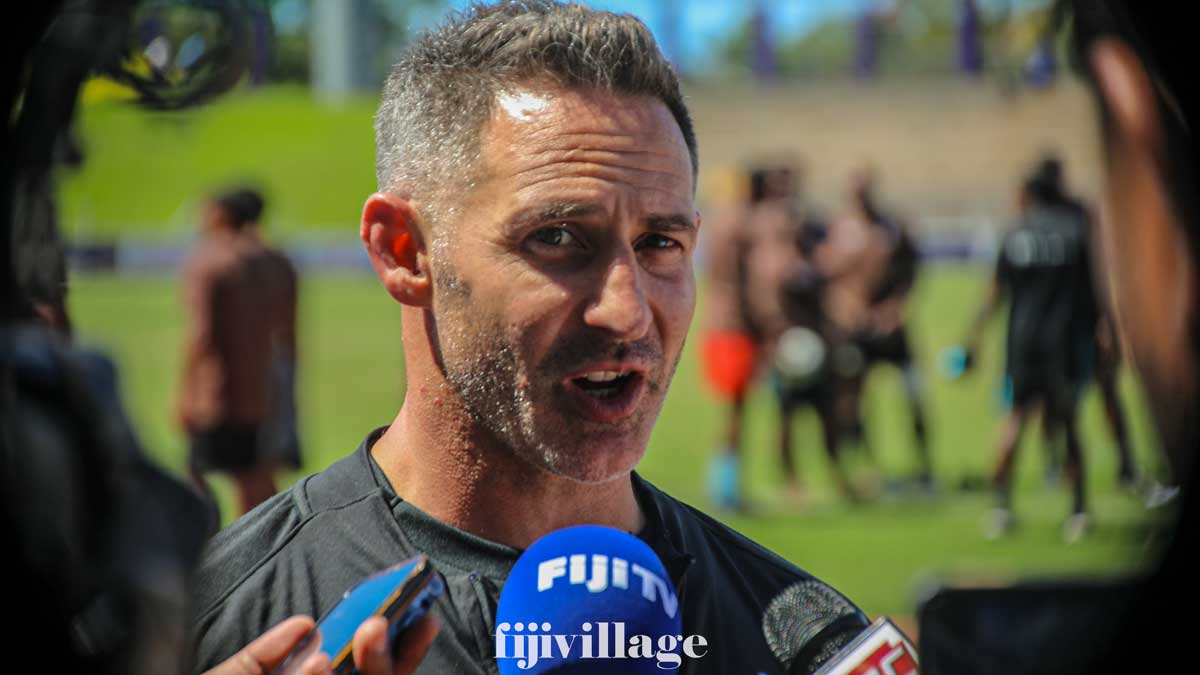
Prime Minister, Sitiveni Rabuka says there are times when the Prime Minister must make unilateral decisions and stand by them.
While being questioned on the recent UN vote relating to Israel and Hamas, Rabuka says these decisions are made within the party framework, and members of Parliament are free to express reservations if they disagree with the Prime Minister's stance.
He says they value unity under the current leadership, including the three deputy prime ministers.
Rabuka says any reservations expressed by coalition partners are considered, and discussions are held within the party.
Regarding allegations that religious beliefs influence decision-making, %Rabuka says it's important to note that the safety of Fijian peacekeepers has always been a concern.
He says Fijian troops have operated in challenging and often dangerous environments, even before recent developments.
He adds Fiji's stance on international matters is rooted in the fundamental principles of the United Nations.
Rabuka says when we participate in global debates or consider resolutions, we prioritize the sovereignty of UN member states, as outlined in the UN conventions.
He says our approach hinges on whether the issues at hand affect the sovereignty of the states recognized as part of the UN.
Rabuka says for instance, in the recent resolution and amendment votes on Israel and Hamas, Fiji supported the amendment put forth by Canada, acknowledging the origins of the issue without assigning blame.
He says the original resolution lacked this acknowledgment, which is why Fiji couldn't vote for it.
Rabuka says regarding specific resolutions, such as Resolution 425 and 426 establishing United Nations interim forces in Lebanon, their focus was on the sovereign states involved, namely Israel and Lebanon, and their internationally recognized border.
He says the involvement of the PLO wasn't the primary consideration; rather, it was about maintaining the internationally recognized boundaries and promoting peace in the region.
Rabuka adds the decision to volunteer Fijian troops for peacekeeping missions was made under the instruction of former Prime Minister Ratu Sir Kamisese Mara, and it was based on the understanding that threats would persist until peace is fully restored in the region.
He says our commitment to peacekeeping remains unwavering, and we are resolute in our efforts to contribute to global stability.
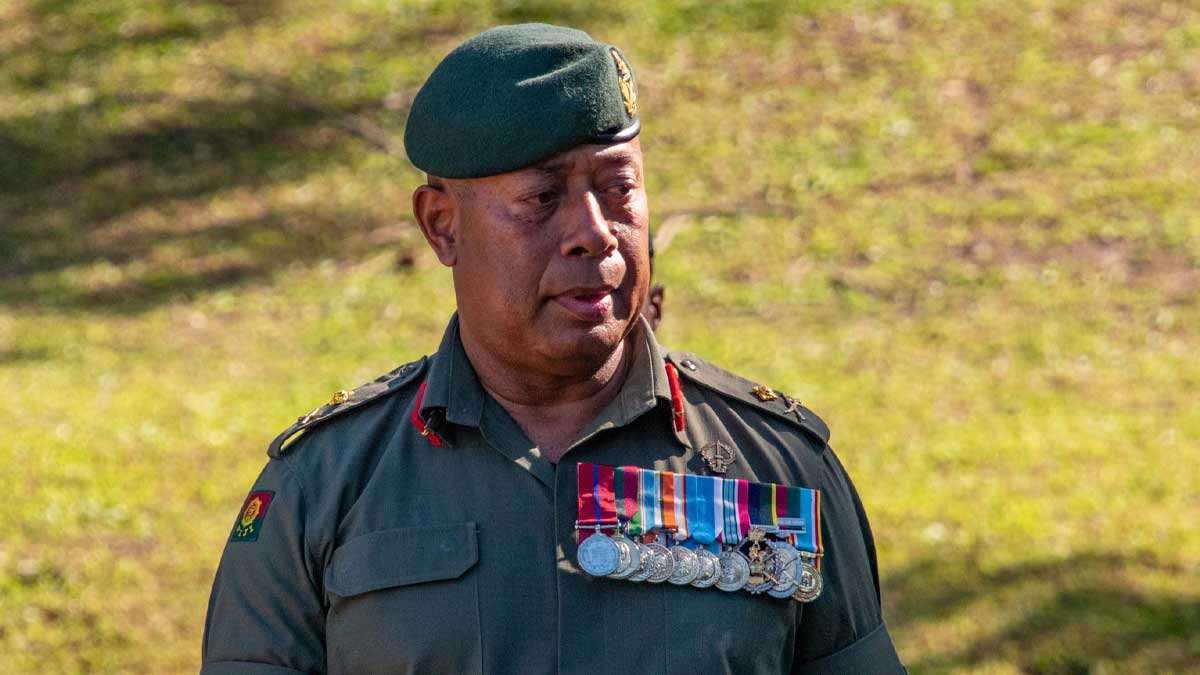
Rabuka and Home Affairs Minister, Pio Tikoduadua have not made any comments regarding the Army Commander’s call for a re-evaluation of Fiji’s vote against the ceasefire, and to consult with the Republic of Military Forces.