People’s Alliance Party lawyer, Simione Valenitabua today said in the Supreme Court case dealing with the government’s application to interpret certain constitutional matters, that their position is that President Ratu Josefa Iloilo did not have the powers to abrogate the 1997 Constitution.
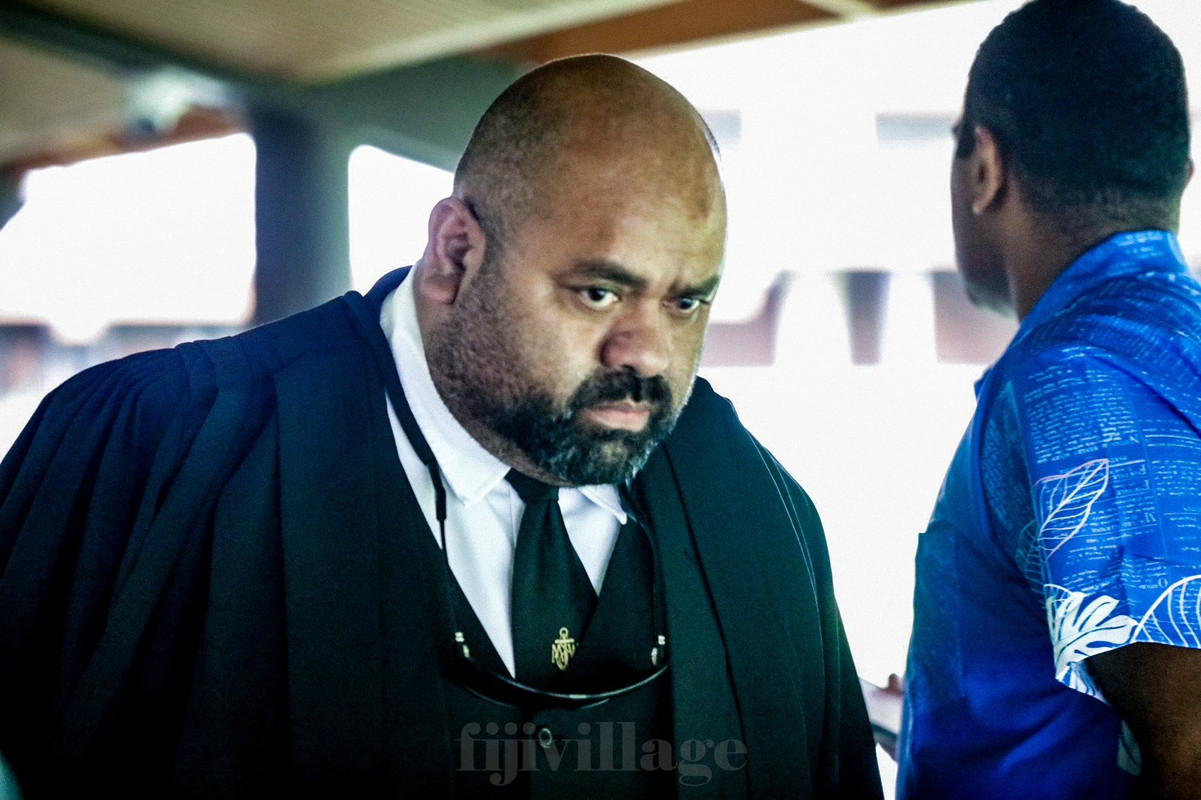
People’s Alliance Party lawyer, Simione Valenitabua
While speaking in court, Valenitabua said this means the 2013 constitution is not valid and the 1997 constitution is still alive.
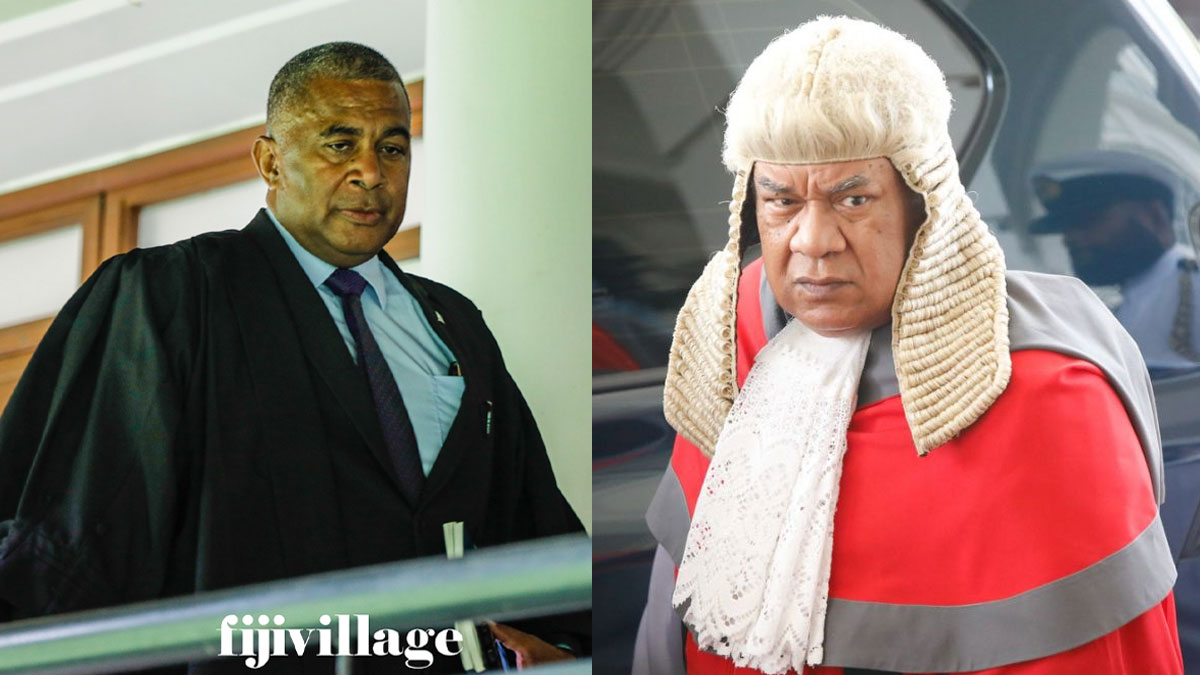
Chief Justice Salesi Temo then said that Valenitabua is attacking the 2013 Constitution that has had three general elections under it.
Chief Justice Temo has also told the Solicitor General Ropate Green that he should be filing his Constitutional statement of facts under the preliminary issue of 98 subsection 3(c) in the constitution instead of Section 91(5).
Green has been given 14 days to file the statement of facts to the Supreme Court and also to the 9 interveners.
The third direction hearing will be held on 20th June.
They appeared before Chief Justice Temo and President of the Court of Appeal, Justice Isikeli Mataitoga.
Simione Valenitabua and Nemani Tuifagalele are representing the People’s Alliance Party, Jon Apted and Richard Naidu will be representing the National Federation Party, Jolame Uludole for SODELPA, Ashneel Sudhakar and Shalend Ram Krishna for Inia Seruiratu’s faction, Ratu Tevita Vakalalabure was in court representing Ioane Naivalurua’s group, Jagath Karunaratne was there for the Fiji Labour Party, Naomi Raikaci is representing Unity Fiji Party, Fiji Human Rights and Anti Discrimination Commission was represented by Commissioner Alefina Vuki while Australian lawyer Arthur Moses and Wylie Clarke are representing the Fiji Law Society.
Chief Justice Temo stated that the reason for the certain number of interveners is because the Members of Parliament and the other two parties from Unity Fiji and the Fiji Labour Party represent the Fijian people.
This was Chief Justice Temo’s reply to the Solicitor General when he said the State is aware of other organisations like the Great Council of Chiefs and former Youth and Sports Minister in the SODELPA Government, Rajesh Singh wanting to be part of the proceedings.
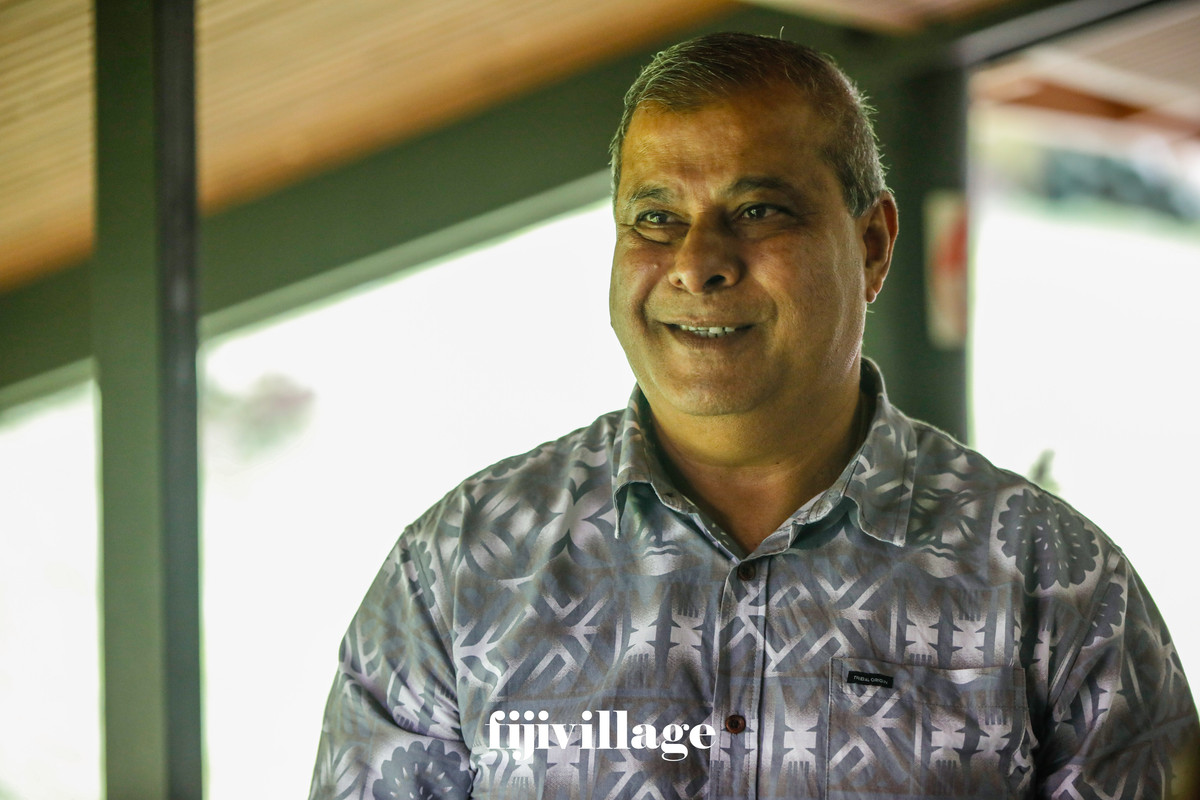
Former Youth and Sports Minister in the SODELPA Government, Rajesh Singh
Chief Justice Temo says the decision has already been made on the interveners as they represent the people.
The Chief Justice says that if they let any other group or organisation in, it would be opening the floodgates where everyone will also want to be a part of the proceedings.
Singh says they respect the judges’ decision but they will join the other parties and continue to fight for the 1997 Constitution.
The questions asked by Prime Minister, Sitiveni Rabuka in the Reference filed in the constitutional case before the Supreme Court include whether the 1997 Constitution is still valid and applicable.
Other questions include on whether the provisions regarding the amendment to the 2013 Constitution and the transitional period section of the Constitution are binding on the people of Fiji, the Parliament of Fiji and the Supreme Court with the effect that none of those provisions can ever be amended, regardless of the will of Parliament or of the people voting in a referendum.
Chapter 11 of the 2013 Constitution states that no amendment to the Constitution may ever repeal any provision on the immunity from prosecution for those involved in the 1987 and 2006 coups, and Chapter 12 deals with the transitional period.
Chapter 11 also requires 75 percent of the Members of Parliament and 75 percent of all registered voters in a national referendum to vote for changes in any other section of the Constitution.
Rabuka also asks whether the provisions can be amended following enactment of a Bill in Parliament to do so, in terms thought fit by Parliament.
The Prime Minister further asks the Supreme Court if the approval of any amendment proposed is effective only if approved by the people of Fiji at a referendum.
He also asks if there is any special majority, and if so in what proportion, necessary for an enactment or approval by referendum.