Serious concerns have been raised by the Human Rights and Anti-Discrimination Commission on the mistreatment, neglect, and exploitation of older persons following alarming cases brought to the Commission that reflect the growing urgency of this issue.
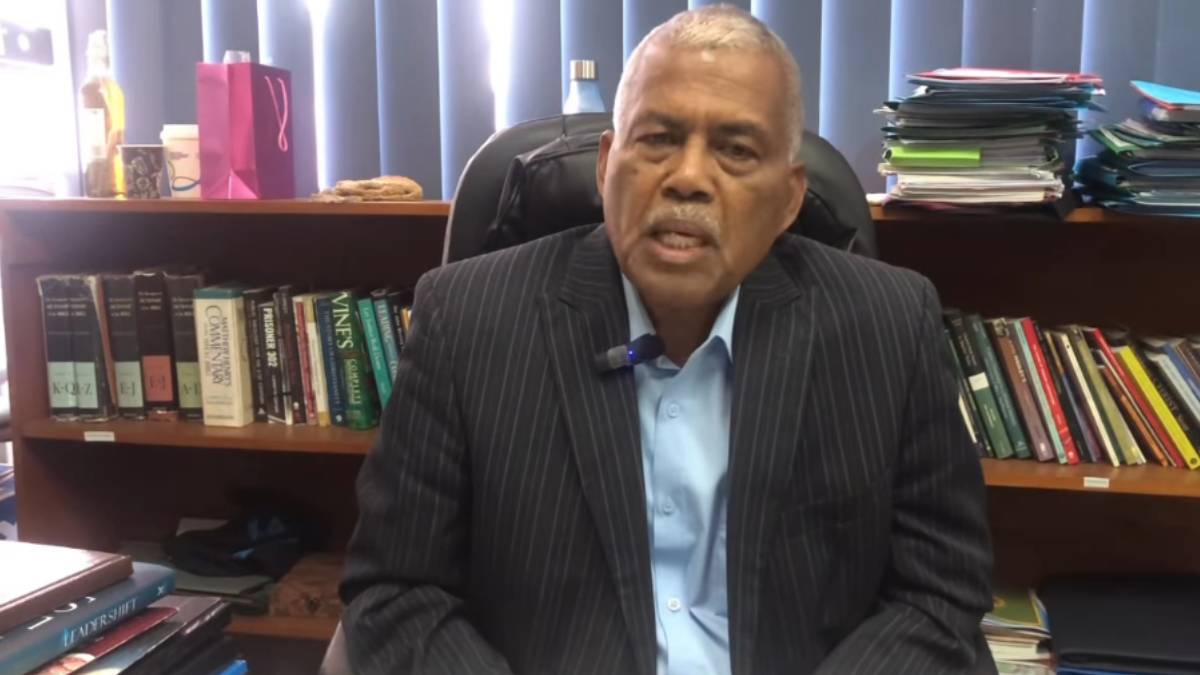
Human Rights and Anti-Discrimination Commission Director Loukinikini Lewaravu says in one complaint, an 87-year-old woman was allegedly physically assaulted and rendered homeless by her own children, who eventually abandoned her at the Commission’s office.
She says in another disturbing case, an elderly woman was left for several months at a public hospital’s stress ward after being neglected by her family.
Lewaravu says in two other cases, elderly women with psychosocial disability were subjected to physical abuse by their family members.
The Director adds these are not isolated tragedies as they signal a breakdown in empathy, duty, and cultural and social responsibility.
She says the Commission has also identified a recurring and troubling trend where some elderly parents are subjected to neglect and mistreatment after transferring ownership of family assets to their children.
Lewaravu says complaints received include reports of older persons being served stale food, denied timely medical care, and having their social welfare allowances misused.
She says these actions are a betrayal of trust and constitute abuse—morally, legally, and culturally.
The Commission is urging a united response to end elder abuse, and this includes families and communities who should honour and uplift the voices of their elders and care for them, remain alert and responsive to signs of mistreatment, strengthen protective mechanisms, ensure accessible complaint procedures, and uphold the rights of the elderly through robust policies and understand that ageing is not a decline—it is a shared human journey that merits protection, not punishment.
While speaking on World Elder Abuse Awareness Day, the Director says the mistreatment, neglect, and exploitation of older persons is not merely a social issue—it stands in direct contradiction to our unique Pacific cultural values that uphold respect for the elderly, defy religious teachings that call for the honouring of parents and elders, and constitutes a grave violation of human dignity and fundamental human rights.
Lewaravu says older individuals can face abuse not only within their own homes but also in care facilities and community environments.
She also says such acts must never be normalised, excused, or ignored.
Lewaravu adds abuse must be reported and addressed with urgency and seriousness.
The Commission Director says every older person has the right to live in safety and with dignity—free from harm, discrimination, or neglect.
She says this year’s global theme, “Addressing Abuse of Older Adults in Long Term Care Facilities: Through Data and Action,” calls for decisive and evidence-based measures to protect the elderly, particularly those in institutional and residential care settings.
The Commission stresses that respect for older persons must begin at home and extend through every layer of society—be it in state-run aged care homes, private facilities, or within families.
The Director says regardless of age, gender, ethnicity, disability or socioeconomic status, older people deserve to be treated with fairness, compassion, and honour.
She adds that their value goes beyond their economic contributions—they are the pillars of our families, cultures, and histories.