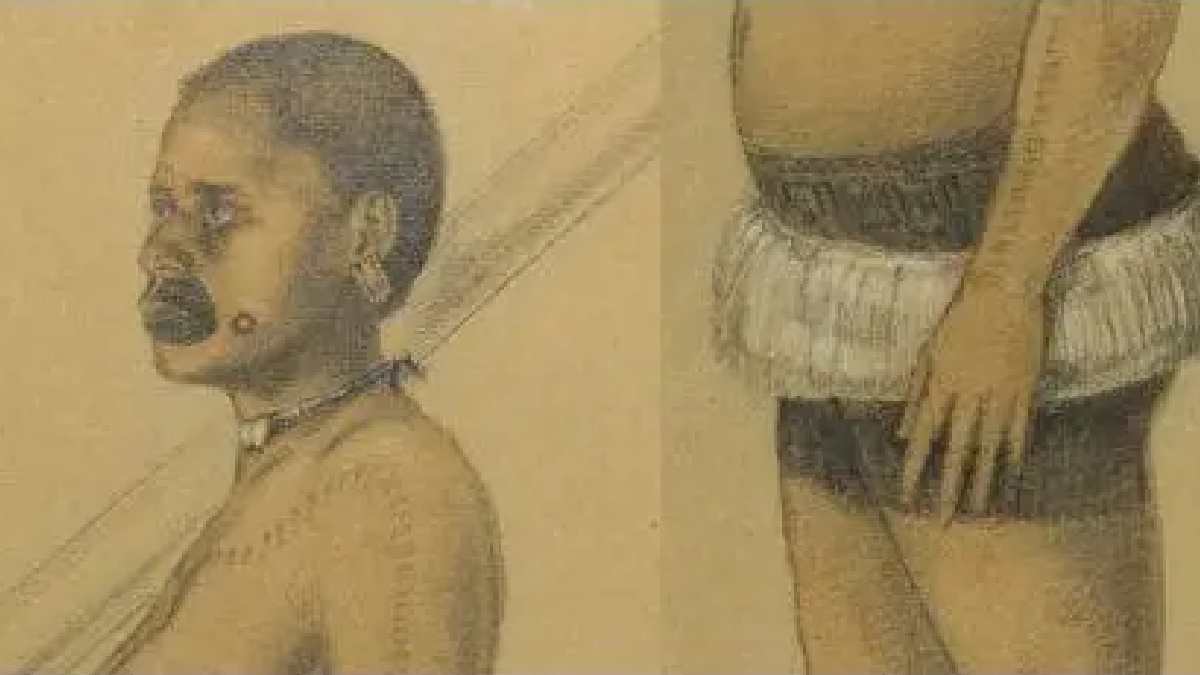
The traditional practices of 'veiqia' tattooing and 'liku', the wearing of fibre skirts by iTaukei women, when they reach womanhood, have largely been lost, but they remain significant as they tell the story of the stages of a woman’s life during the 1800s.
Cultural Advisor from the University of Anglia, Joana Monolagi made these comments at the veiqia presentation at the Fiji Museum ahead of the opening night tomorrow.
She says veiqia is a traditional process through which women wear liku in stages, marking their growth from being a youth to a woman.
She adds that when a young girl in Fiji entered the stage of womanhood, they were traditionally recognised by the liku they wore.
Monolagi says in marriage, this process was also carried out, often alongside the significant veiqia tattoos.
She adds that it is important for the iTaukei to know their true identity and understand how their ancestors lived.
Liku was one of the highest significant gifts that can be presented to visitors during those times.
She says that Westerners who settled in Fiji at that time were often gifted liku, which is how many came to be displayed in museums around the world.
Museum collections of Fijian liku can be found across the United Kingdom, United States, and Europe.
The largest collections are in the UK and the US, particularly in Washington and Salem, with others in the Netherlands, Germany, France, and at the Fiji Museum — many of which were gifted during the colonial period.
Monolagi explains that even though Christianity was introduced in the 1800s, bringing the sulu to Fiji, many women in the interior of the country continued to wear liku and preserve their traditional culture.
The initiative teaches women the importance of knowing their true identity — where they come from, their traditional purpose, and how to live it.
Sainsbury Research Fellow from the University of East Anglia in England, Professor Karen Jacobs,
says she is in Fiji working with the Veiqia Project team to support an exhibition focused on liku, once worn by women to mark important stages of their lives.
She explains that the decline in liku use began from the 1860s onwards, when Christian missionaries introduced the sulu as part of new forms of dress.
/+AUDIO-580971797691408b15228a185f3471.mp3+AUDIO/
A wedding liku, she says, served as a marriage certificate, while chiefly women wore longer, more elaborate designs that displayed their status.
Jacobs says the knowledge surrounding liku, such as regional styles and meanings, has largely been lost over time.
Through the Veiqia exhibition, she hopes to share her research with Fijian weavers and encourage the revival of traditional liku making for future generations.
The Na Cagi Ni Veisau Exhibition will be open to the public at the Fiji Museum in Suva from Friday to February 8th 2026.