Geographic isolation and financial disadvantage are two major barriers affecting students’ access to education in Fiji.
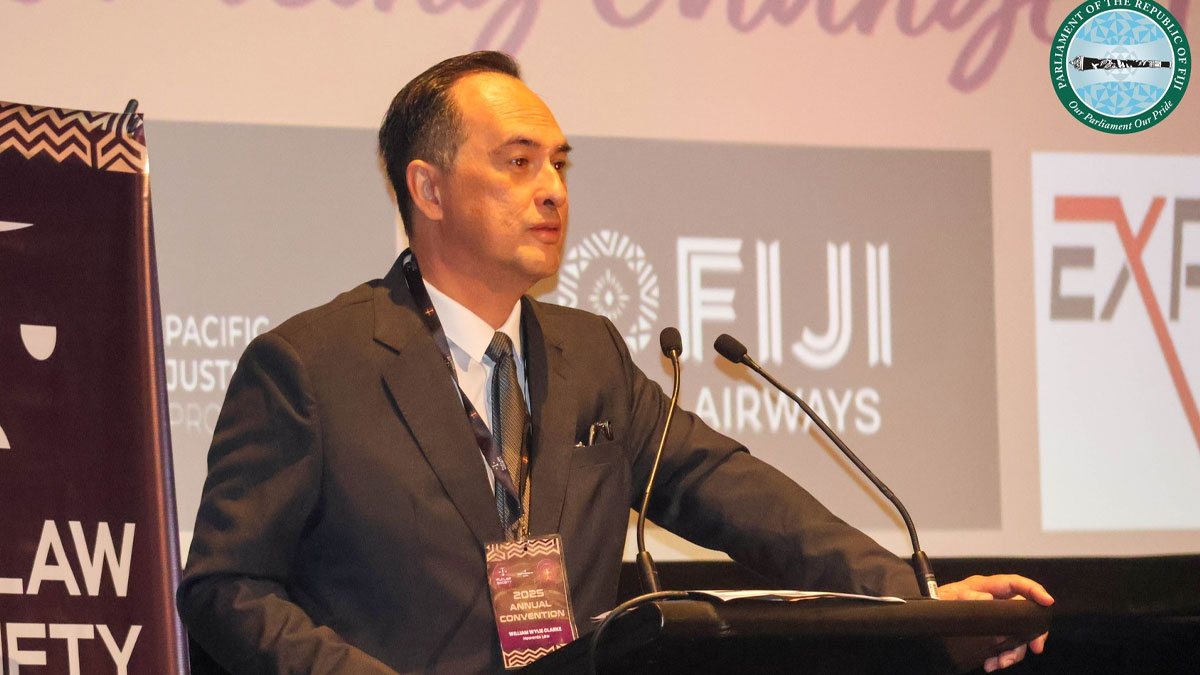
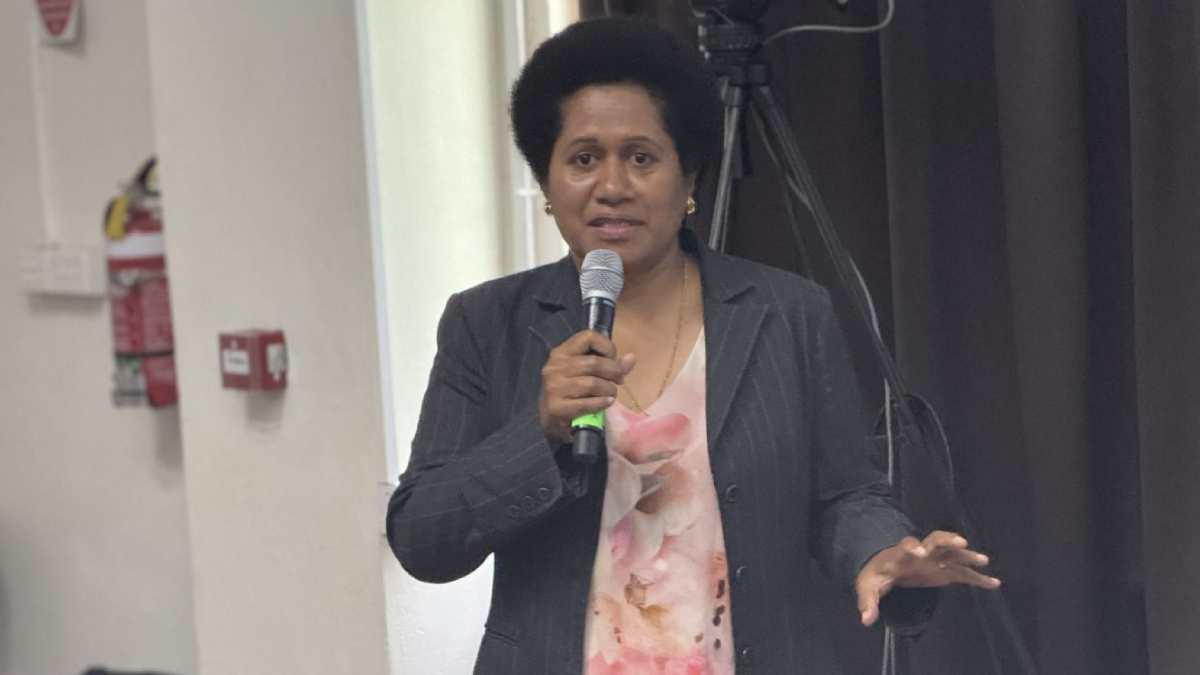
This was highlighted by Fiji National University Council member and Policy Advisor Dr Priscilla Puamau during a panel discussion at the Fiji Law Society Convention 2025 in Nadi, saying that many children, especially in remote and maritime areas, face daily challenges simply reaching school.
Dr Puamau says there have been many cases where students have to travel by boat to attend school on neighbouring islands because no schools exist in their own communities.
She says many families are also unable to afford costs associated with schooling despite given government grants.
Dr Puamau says that while the Fiji Education Grant provides essential funding, it remaines insufficient for many schools to operate effectively and maintain quality learning environments.
/+AUDIO-2029394671690a9d1796517a8c4ca1.mp3+AUDIO/
She explains that small schools, those with between 10 and 210 students, receive between $2,100 and $49,000 per term, while medium-sized schools with 211 to 779 students receive between $49,000 and $189,000. Larger schools with more than 780 students receive between $181,000 and $349,000 per term.
She says the fixed allocation formula, which requires schools to spend specific percentages of the grant on administration, stationery, and repairs, makes it nearly impossible for small and remote schools to carry out major maintenance.
Dr Puamau also emphasises that education should not be viewed as solely the responsibility of parents, teachers, or the Ministry of Education but as “everybody’s business”.