The New Zealand government has given money to support the fight against dengue through the World Mosquito Programme in Fiji.
It will expand the programme in Fiji from the Suva region to include more than 120,000 people in other areas including Nadi and Lautoka.
Radio NZ reports $2.7 million has been given by the New Zealand government.
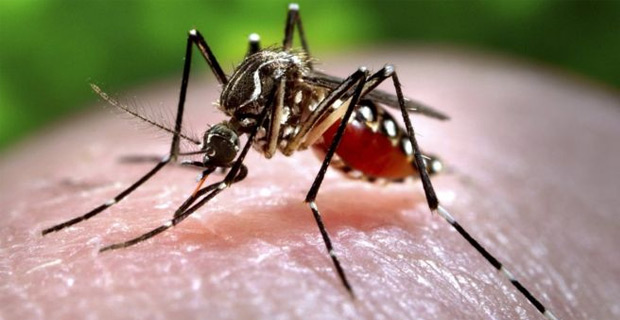
The World Mosquito Programme aims to harvest the mosquito larvae and insert them with Wolbachia bacterium.
The Ministry of Health exported millions of eggs to Monash University in Australia because it has the facility for this process where eggs will be inserted with Wolbachia bacterium.
The egg is then brought back to Fiji and grown to adult mosquitoes before they are released in stages.
Wolbachia blocks the transmission of the dengue virus.
When male mosquitoes with Wolbachia mate with female wild mosquitoes without Wolbachia, those females will have eggs but they won’t hatch.
According to the World Mosquito Programme, when male mosquitoes with Wolbachia mate with females that are already carrying Wolbachia, the mating will be normal and all the offspring will have Wolbachia.
It also works the other way around when female mosquitoes with Wolbachia mate with males without Wolbachia, all her offspring will have Wolbachia.
Wolbachia are naturally occurring bacteria found in 60% of all insect species.
Wolbachia is safe for humans, animals and the environment.
According to the World Mosquito program, two independent risk assessments have been conducted, both of which gave an overall risk rating of the lowest possible for the release of mosquitoes with Wolbachia.