Over the last 12 months 21% of women and 9% of men who were interviewed in three business houses said that they were victims of domestic and sexual violence.
71% of women and 63% of men experienced emotional abuse, harassment or intimidation by a family or household member and 59% of women and 30% of men experienced physical violence.
The worrying issue in the report is that 8% of women and 16% of men reported that violence was acceptable. This is much lower than the level of acceptance recorded in the study of violence against women in Fiji by the Fiji Women's Crisis Centre 2010/2011, where 43% of women surveyed agreed with one or more reasons that justified wife beating.
Domestic and sexual violence affects the victims’ career, the productivity level of the person and the company and also results in a loss for the nation.
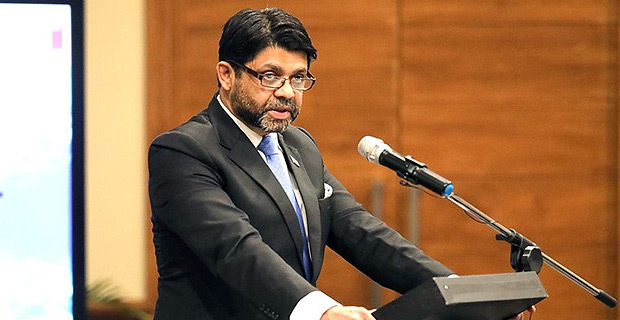
Shabnam Hameed, the Operations Officer‑Gender for International Finance Corporation mentioned this during the launch of a new report by IFC on the business case for workplace responses to domestic and sexual violence in Fiji at the Holiday Inn in Suva.
Hameed says the report provides a compelling case for Fijian businesses to support staff who are affected by domestic and sexual violence.
Three companies in Fiji collectively employing 1701 employees as of December 2018 participated in this study. The companies were selected to ensure sector diversity and based on their commitment to supporting staff affected by domestic and sexual violence.
Hameed says employers can address these issues by developing a policy or program to guide their workplace response to domestic and sexual violence and publicizing it to all employees and also establish small cross department teams of women and men who are adequately trained and supported to assist employees affected by domestic and sexual violence.
ADVERTISEMENT