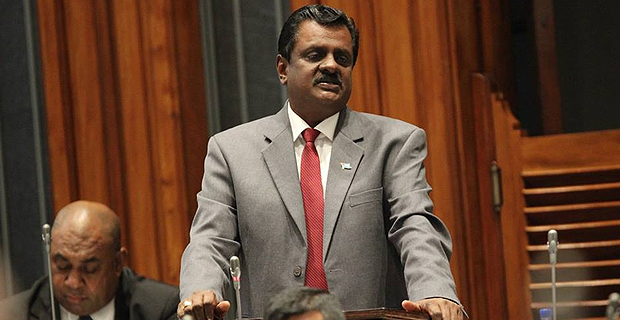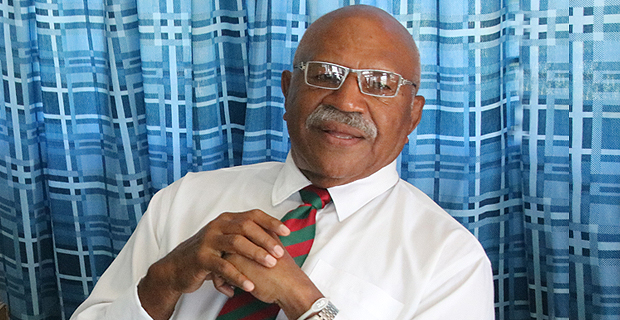
SODELPA Leader Sitiveni Rabuka maintains that it is true that he has personal reservations on the use of “Fijian” as a common name.
In a statement titled Response to Bainimarama’s allegations, Rabuka says Prime Minister Bainimarama should understand his speech to University of Fiji law students in totality last week and in that context rather than just focus on, and misinterpret a very small portion of the message that Rabuka was trying to share.
Rabuka says the people were never consulted about the common name to be “Fijian” for all Fiji citizens and it was imposed, just like the unilateral revocation of the 1997 Constitution and removal and abolition of the Great Council of Chiefs.
The SODELPA Leader says the people of Fiji have a right to be consulted and to be heard on this very important issue.
Rabuka says in particular, the indigenous people were not consulted. He says they have been known collectively as “Fijians” since before cession, until 2010 when it was removed by Decree.
Rabuka also says that the 2013 Constitution, for the first time in Fiji’s constitutional history, has allowed a Fiji citizen to hold citizenship of a foreign State simultaneously. He stresses that this dual nationality is a good thing in the context of our globalised world but it creates the dubious situation about a person’s patriotic loyalty and attachment to Fiji when one is at the same time the national of another State.
Rabuka says most seriously, it ignores the group rights and self‑determination of the indigenous iTaukei and Rotuman people as these group rights were recognised from the outset of British colonial administration of Fiji following the Deed of Cession between the British Crown and the High Chiefs of Fiji on 10th October 1874.
Rabuka maintains that here in Fiji, depending on the context, we can all be Fijians when we are overseas, or when we are representing Fiji, but locally for ease of identification of who we are, we can refer each other as native or indigenous Fijians, Indo‑Fijians, Chinese‑Fijians, European or part‑European Fijians, and Banabans and Rotumans.
Rabuka says that he has also made it very clear that at the end of the day the people of Fiji will decide through dialogue and consensus building.