The Ministry of Health and Medical Services has declared an outbreak of Leptospirosis for the Central Division.
It says that there have been 69 cases of Leptospirosis in Central Division from January 1st this year, with 18 people requiring admission to the CWM Hospital and 4 deaths confirmed from Leptospirosis so far this year.
The Health Ministry says majority of the cases are between the age group of 1‑19 years and 20‑29 years.
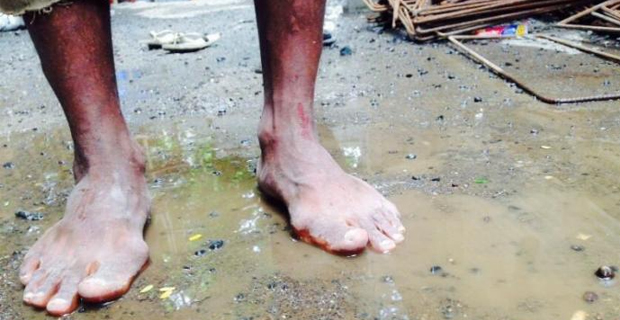
It says Leptospirosis is a disease caused by bacteria that affects both humans and animals and humans get Leptospirosis through contact with the urine of infected animals adding that this often happens through contact with mud, water, or food contaminated with the urine of infected animals.
The Health Ministry says that the current outbreak in the Central Division is also people who do non‑animal related work.
It has highlighted that recent heavy rains and flooding are likely to have contributed to the increase in cases in the Central Division.
Symptoms of Leptospirosis include, high fever, chills, headache, muscle aches-commonly around the calves and lower legs and lower back, nausea, vomiting, yellow skin and/or eyes, red eyes, abdominal pain, diarrhoea, coughing, shortness of breath and rashes.
People are advised to visit their nearest health centre if they are showing any of these symptoms.
The Health Ministry says that without treatment, Leptospirosis can lead to kidney damage, meningitis, liver failure, respiratory distress, and even death.
It has stressed that early treatment with antibiotics administered by a doctor is key to preventing complications and deaths.
People can prevent Leptospirosis by avoiding contact with the urine of infected animals and this includes, avoiding wading/swimming in waters that may be contaminated with animal urine, especially flood waters, wearing protective clothing and footwear when working with livestock, keeping food, eating and cooking utensils away from rats and pets and washing fruits and vegetables.
The Ministry of Health says that the Central Division and Subdivisional Outbreak Response Teams, including their Environmental Health Officers, have been working closely with the Ministry’s Centre for Communicable Disease Control to conduct investigations and public health awareness and interventions involving household inspections in the community.